Our services
What we offer

Client Information
Prior to commencing the procedure, your clinician will discuss with you the benefits of removing wax from your ears.
In order to check that it is safe to proceed you will be asked some questions about the health of your ears and general health. It will also be necessary to carry out a detailed visual examination of your ear/s and the wax present. If safe to do so, and clinically necessary, wax will be removed from your ear/s using the most appropriate method according to the quantity and consistency of the wax discovered.
PRE- PROCEDURE
You may be advised to soften the wax with olive oil prior to your appointment. Your ears may feel blocked following application of an ear wax softener due to the expansion of the wax. If you are a hearing aid wearer it can be advisable to avoid wearing the hearing instrument/s when olive oil has recently been administered, therefore overnight application of an ear wax softener may be best.
PROCEDURE
Two methods of wax removal may be used during your appointment, suction and/or manual extraction.
Removal of wax deposits using manual extraction instruments
Fine hand-held instruments are inserted carefully into your ear and used to gently extract the wax from the ear canal. These will not be used when the wax is deeply situated in the ear canal.
Wax removal using suction
Wax is removed from the ear by a small suction tube. This procedure can be noisy.
Risks
Your clinician has undertaken training and is certified as competent in ear care and wax removal and will use best-practice procedures to minimise any risk. However, even when performed with the utmost care, there are some risks involved in wax removal. These risks include:
Uncommon
Discomfort / pain (minimised by application of olive oil prior to appointment)
Damage to skin of the ear canal (minimised by application of olive oil prior to appointment)
Bleeding from ear canal
Ear infection (minimised by water precautions post procedure)
Temporary reduction in hearing
Temporary hearing sensitivity
Temporary aggravation of existing tinnitus
Temporary irritation to the throat or stimulation of cough
Rare
Temporary dizziness
Extremely rare
Permanent hearing loss (minimised by limiting time of exposure to noise of suction machine and avoiding contact with or trauma to the ear drum)
Triggering of new tinnitus (minimised by limiting time exposure to noise of suction machine)
Damage to the ear drum during the procedure (minimised by restricting the depth of insertion of the suction tube)
OUTCOMES
If the wax cannot be removed
Depending on the amount and consistency of the wax and your own comfort, it may not be possible to remove all of the wax in a single appointment. A second or third appointment may be required with further softening of the wax for a few days between visits using alternative softeners as advised.
Onward referral
In some situations, wax removal may be deemed unsuitable or need to be abandoned during the procedure. Most commonly this is because abnormalities of the ear are identified which require further assessment by your GP or an ENT specialist, making it inappropriate to proceed. It may be necessary to refer you following the procedure for a follow up with a medical professional either directly for further management, advice, or a second opinion. Most commonly this is because.
Evidence of current or recent infection has been discovered.
Evidence of current or previous damage to the ear has been discovered.
The wax removal procedure has made you feel unwell.
The wax has proven to be too difficult to remove safely or without causing discomfort.
A foreign body has been discovered in the ear which cannot be removed safely.
Media recorded
Before, during and after the procedure your clinician will record images and videos within your ear/s. This media may be used for the following reasons:
To request further advice or a second opinion from another suitably qualified medical professional
Training and research
To ensure you, the patient, are as informed as possible.
AFTERCARE
Keep ears dry for a minimum of 48 hours after the appointment. It can be helpful to use a cotton wool ball in the entrance to the ear canal with some petroleum jelly when showering. Inform your clinician and seek advice from an appropriately qualified medical professional immediately if any discomfort, pain, swelling, discharge, odour or disruption to your hearing is experienced following the procedure.
CONSENT
I have read the information above and understand the benefits and risks involved.
I understand the alterative options for wax removal.
I give my consent to allow the clinician to remove wax from my ear, using the most appropriate method for the amount and consistency of wax discovered.
I understand that the removal may take more than one appointment and that it may be necessary to refer me to a medical professional if any complications arise.
I understand I can ask the clinician to stop the procedure at any time, for any reason. I agree to follow the aftercare advice given.
I give my consent for images and videos of my ear/s to be taken during the appointment.
Records will be stored online with your consent form.
Complaints Procedure:
Ears2Go Wax Away will aim to respond to an individual complaint within 2 weeks.
If the individual is not satisfied with the response from the investigation,
they can contact The Nursing and Midwifery Council (NMC) 02033076802
Alternatively, you can contact the Care Quality Commission (CQC) by filling out their online form:
https://www.cqc.org.uk/give-feedback-on-care or their phone number is 03000616161.
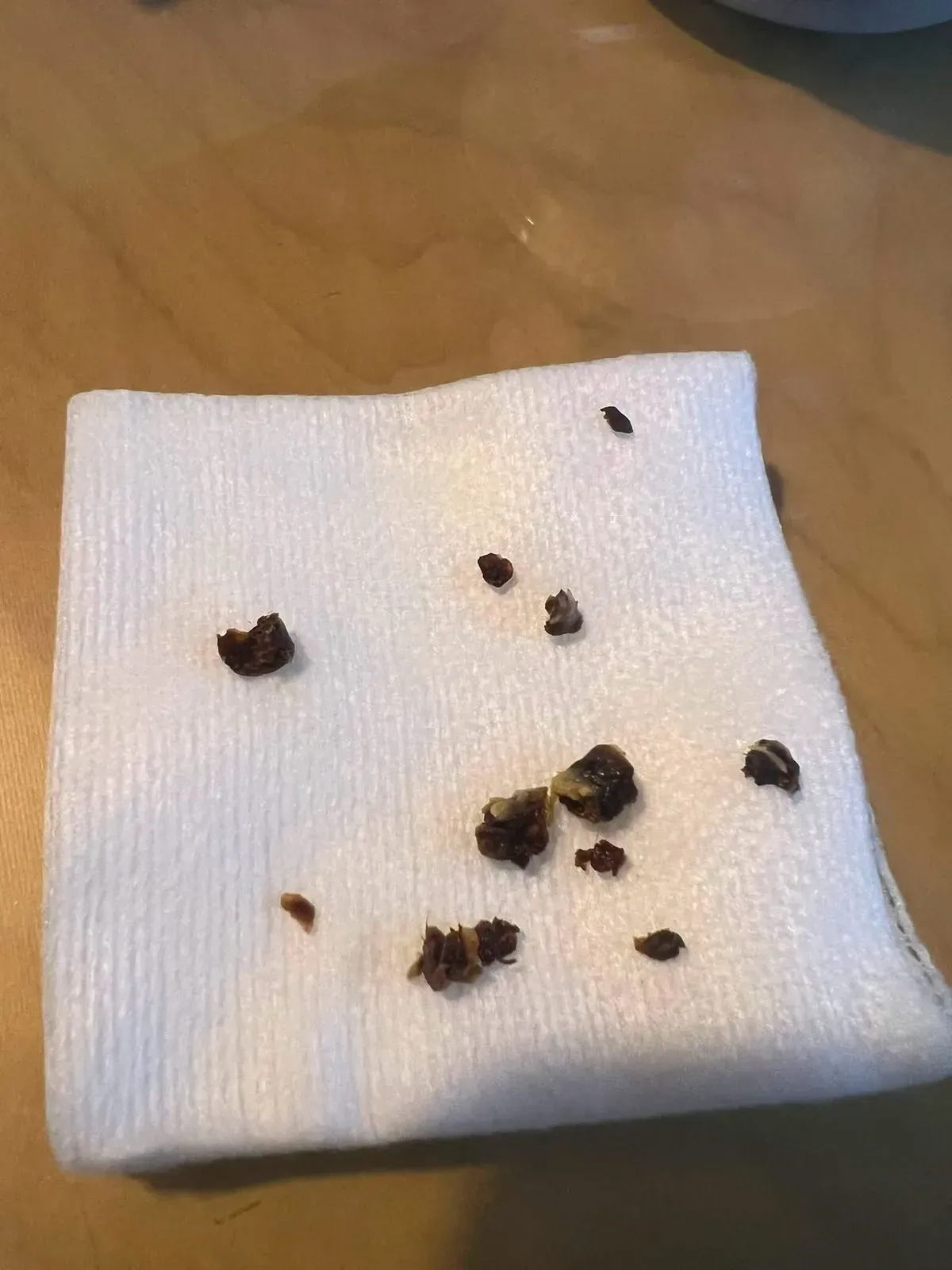
Earwax
Earwax is completely natural and protects your inner ears from irritation, germs and dust.
Earwax only becomes a problem when there is excessive build up or it becomes stuck in the ear canal.
Signs and symptoms of excess earwax:
Feeling like your ears are blocked and uncomfortable.
Trouble hearing, everything might sound muffled.
Mild tinnitus (ringing or buzzing in the ears).
Vertigo (feeling dizzy or sick).
Causes of excess earwax:
Use of cotton buds.
Naturally high earwax production.
Narrow or damaged ear canals.
Lots of hair in the ear canals.
Inflammation of the ear canal.
Frequent use of ear plugs.
Hearing aid users.

Prescription
If a private prescription is need, an extra charge of £5 is added to the total.
Please note due to it being a private prescription, the pharmacist may charge you full price of the medication.
Prescriptions are done electronically through SignatureRx

Book Your Appointment Today!
Don’t let earwax buildup affect your hearing. Schedule your mobile earwax removal now for a clearer tomorrow!